
Anthropology Field Expeditions
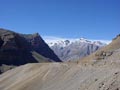
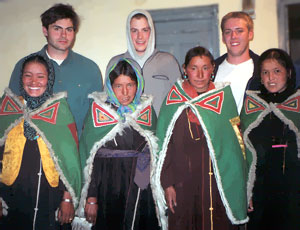 Himalayan Health Exchange is organizing it’s 16th annual medical and cultural anthropological expedition to the Indian Himalayas in the summer of 2018. In order to enhance the learning experience of participants, this medical-anthropological expedition will also include socio-cultural and religious teachings of the Western Himalayas with daily yoga and meditations sessions. HHE will offer participants a practical approach to the study of India, Tibet and the Himalayan culture while attending a 6-day, preventive health camp. During their journey, team members will have the opportunity to investigate local history, religious beliefs and practices, modern human adaptations, regional effects of globalization, monastic life and local healthcare. In addition, through trekking and camping in remote areas, they will observe the interconnectedness of the magnificent natural environment with a daily local existence. This first-hand experience will be accompanied by daily yoga & meditation sessions and academic lectures. Participation is open to medical and Anthropology students of all levels.
 Subjects Areas:
Anthropology (Cultural, Medical, Economic and Visual), Asian Studies, Pre-Medical, Public Health, Psychology, Art/Fine Arts, Geography, Philosophy, Social Work and Sociology, Yoga and Meditation
Field Study Topics Include:
Cultural and Social:
- Indian/Tibetan history, geography, culture, and politics
- Colonization and post-colonial reality
- The cultural construction of race and ethnicity
- Socio-cultural change
- Globalization and modernization
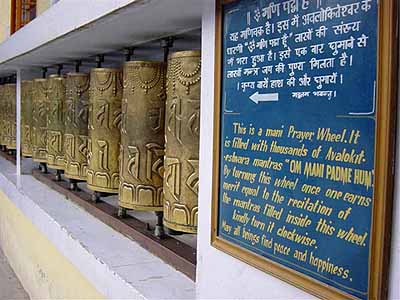
- Introduction to the Western Himalayan religions
- Bon Pon: the indigenous religion of Tibet
- Hinduism: Beliefs, Gods, and Practices
- Buddhism: 4 Noble Truths, Eightfold Path, 5 Elements of Life
- Cultural preservation of Tibetans in exile
- Meditation and yoga in daily life
Medical:
- Introduction to the health care needs of the local population
- Current state of Himalayan healthcare
- Role of the national, state local government in shaping health ( AIDS, TB and Polio)· Indigenous medical practices and customs of the Himalayan peoples
- Traditional Tibetan medicine (Amchi and Ayurvedic)
- Impact of modernization on various diseasesRole of Himalayan Health Exchange and its healthcare delivery system
Visual:
- Individual use of visual media to represent anthropological ideas in the context of the Himalayas
- Study of representation in areas such as regional museums, ceremonies, rituals, artifacts and performances
- Employment of audiovisual technologies to capture “culture” in ancient villages and Tibetan settlements, stone carvings (Tabo Monastery), Buddhist monasteries, architectural wonders (Taj Mahal)
Field Expedition Objectives:
- To gain medical and cultural exposure.
- To learn, develop and apply practical skills in non-traditional settings.
- To develop sensitivity to different religious beliefs and rituals.
- To introduce team members to cultures and lifestyles in remote rural areas.
- To develop awareness of different cultures by analyzing social, economic and
health needs.